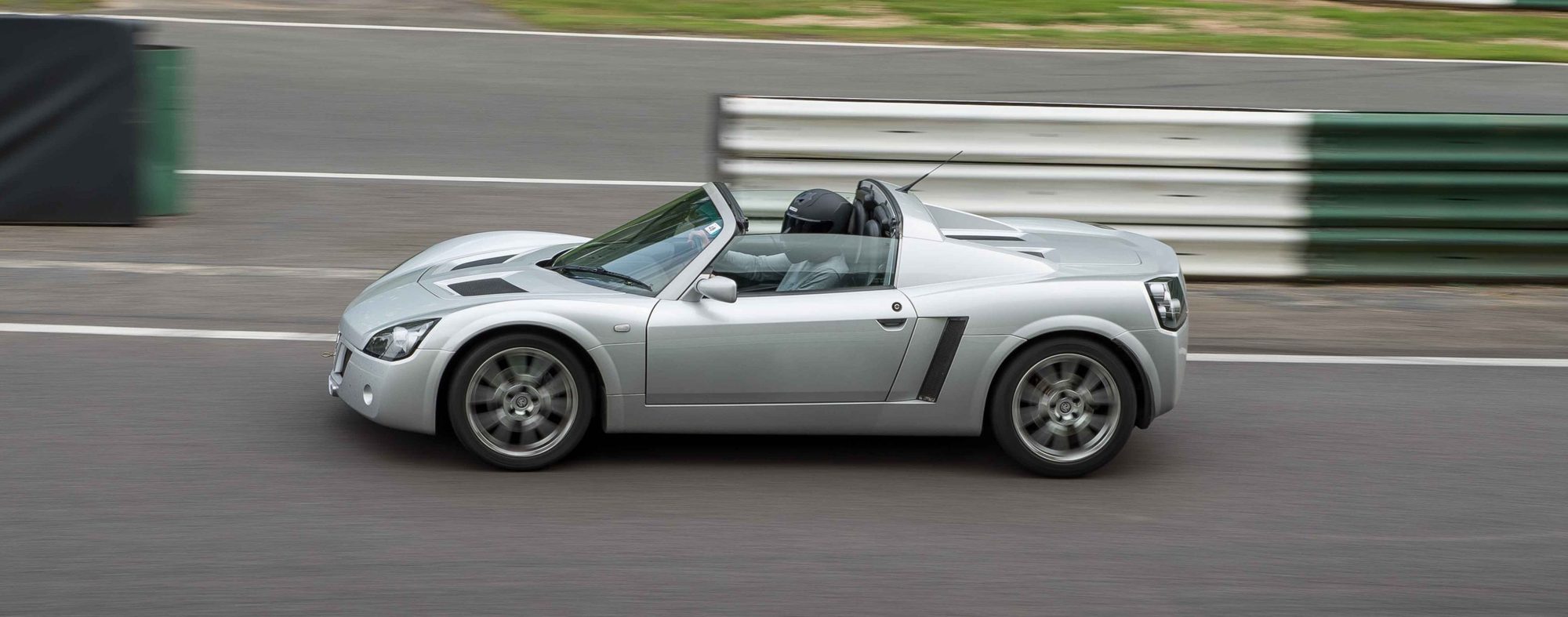
This is owner opinion, and the owners often changed other things at the same time (balancer shafts removed, clutch, engine swap, map), so it is hard to tell what the flywheel alone did. Choosing the clutch is in Clutch choice, and the factory steps are in Flywheel removal and refitting.
The short version
- Everyone agreed the engine revs more freely, and owners who heel-and-toe liked it.
- Pulling away is the trade-off. Opinions ranged from "no problem" to "I wouldn't bother again".
- Several owners reported less engine braking, but others disagreed about why, or said they noticed nothing.
- If the gearbox is coming off anyway, owners said it makes sense to do it then, because the labour is the cost.
Daily driving and traffic
In 2014 an owner with a stage 2 Turbo as his daily car, in a lot of slow traffic, asked whether a lightened flywheel (about £250, with the gearbox out anyway) would make stalling or stop-start a nuisance.
- Harder. One owner said the car needs more concentration in traffic and fast getaways are harder: you can no longer release the clutch at idle and let it pull away, but need a careful balance of throttle and clutch. He allowed that some of that may be the clutch. Another said his (not a daily car) isn't as easy to get away quickly in, and that he wouldn't bother if doing it again.
- 1,800 rpm. One owner summed up a lightweight flywheel, a loud exhaust and stiff suspension as needing 1,800 rpm to move away, with an instant loss of inertia as soon as you touch the clutch, and not comfortable in traffic. Fine on the open road, he said.
- Not a problem. Others said it is slightly more annoying in stop-start traffic but not unworkable. One with a supercharged car could release the clutch without the accelerator, with the revs dipping slightly, and never found fast getaways a problem. Another used one on a stage 4 on the road, and a third had the flywheel and balancer shafts removed with no driving or stalling issues. An NA owner said it makes a big difference in traffic and he wasn't put off by needing a little throttle to move away. Another said that if you attack your starts there is no issue.
- Weight matters. One owner said it will depend how much lighter it is than standard, and whether the balancer shaft is also removed. An NA owner said his flywheel, at about 5.8 kg, drives fine but the 4.2 kg one would be too light for him.
- Noise. One owner said he can notice some chatter when pulling away in first, though not once he is moving. An owner of another make said the same about a lightweight flywheel, with some mechanical chatter at idle and low revs, which he thought worth it.
Engine braking
This was the longest argument in the thread. Several owners said that a lighter flywheel and no balancer shafts means the car rolls on when you lift off, so they braked more, and that this is most obvious on a fast overrun. One described having to brake hard after an overtake because little happened when he lifted off, and said it took time to get used to.
- The explanation offered. One owner said that engine braking is like trying to accelerate the engine and flywheel from the wheel side, so a lighter assembly is easier to turn and gives less braking. Another said the opposite should happen, because the revs drop faster once you lift off, and that it depends on the engine, the compression ratio and the transmission as well as the flywheel. A third pointed out that a Turbo spools down slowly, which reduces engine braking.
- Mixed with other changes. Owners with less engine braking had often changed more than the flywheel: a lighter flywheel and no balancer shafts, a B207 engine with forged low-compression internals, a different map, or a move from NA to Turbo. One said he could not say which part caused it.
- Not everyone noticed. One owner fitted a lightened flywheel at the same time as going from stage 1.5 to stage 4 and noticed no problem day to day. Another said the effect was minimal. One said he got more engine braking, and that the faster fall in revs makes gear changes quicker with less clutch.
- A suggested test: time a high-speed lift-off overrun before and after.
- Rev matching. One owner argued that engine braking seems higher when you downshift without matching revs, because a heavy standard flywheel takes more energy to spin up, and that rev matching is the right way to change down in a sports car anyway.
What it does for the car
- Gearchanges. One owner said the standard flywheel is very heavy and the synchros did not appreciate the mass, and that the change was huge. Another said it is worth its weight in gold when heel-and-toeing.
- A timed comparison (2015). An owner who changed the clutch and flywheel at the same time (a Courtenay Sport lightweight flywheel, £255) filmed before-and-after runs and timed them by frame. He reported about a 25 to 30 per cent improvement over standard, averaged over a few basic tests. These were his own tests, not a controlled comparison, and the clutch changed too.
- In gear. One owner said that once you are in gear there is no faster acceleration, and that the difference is in how fast the revs change in neutral or with the clutch in. Others said the car feels quicker through the gears.
- The case against. Some owners said to save the £250 unless you want every last bit out of the car, and that they would not do it again.
Practical points
- Do it with the gearbox out. The jobs overlap: see Clutch replacement: dropping the gearbox and F23 gearbox removal and clutch replacement.
- Try before you buy. One owner suggested getting a passenger ride, or better a drive, in a car of the same spec.
Help wanted
In 2010 an owner asked whether the NA and Turbo flywheels are the same, and the thread has no answer. If you know whether they are interchangeable, please tell us.